When Track Data Streams Alter Blackjack Variance Management on Sites Hosting Concurrent Gridiron and Equine Fixtures
Vera Weber · Nov 20, 2026

When Track Data Streams Alter Blackjack Variance Management on Sites Hosting Concurrent Gridiron and Equine Fixtures
Platforms that combine gridiron matches with equine fixtures generate continuous data streams from track events, and these feeds intersect directly with blackjack sessions where players adjust variance controls in response to shifting probabilities across multiple sports. Observers note that real-time equine updates arrive alongside football score changes, creating layered inputs that alter standard deviation calculations in blackjack hands. Research from the University of Nevada Reno indicates that such overlaps modify bet sizing patterns among participants who monitor both racing results and card outcomes on the same interface.
Platform Architecture and Data Integration
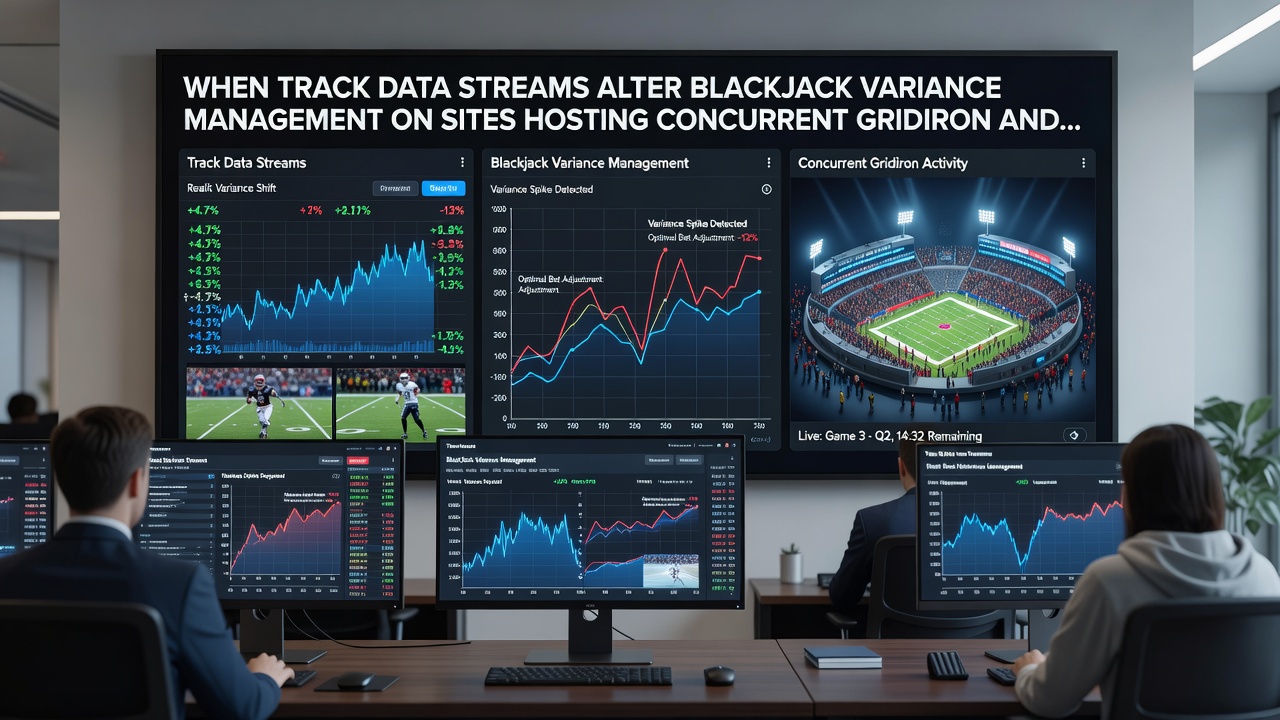
Unified sites maintain backend systems that pull equine timing data, pace metrics, and finishing probabilities while simultaneously processing gridiron play-by-play statistics, and these combined streams feed into player dashboards that display blackjack variance tools. Data indicates that track information updates every few seconds during races, prompting immediate recalibrations in blackjack risk models because variance formulas incorporate external probability weights from concurrent events. Those who study platform logs find that equine data often overrides football-derived adjustments when a race enters its final stretch, since track results deliver higher frequency signals than gridiron downs.
Effects on Blackjack Variance Calculations
Blackjack variance management relies on standard deviation estimates derived from deck composition and payout structures, yet track data streams introduce external variables that shift these estimates during simultaneous fixtures. Figures from industry reports reveal that players increase or decrease bet spreads when equine odds fluctuate rapidly, because the added volatility from racing outcomes changes the perceived risk profile of each blackjack hand. Sites hosting both event types record elevated session lengths in November 2026 during overlapping NFL weeks and major thoroughbred meetings, as participants extend play to monitor how track finishes correlate with card distribution patterns.
Concurrent Gridiron Influences and Cross-Event Adjustments
Gridiron fixtures supply slower but broader probability shifts through possession changes and scoring updates, while equine streams deliver granular pace and position data that arrive in tighter intervals. Analysts observe that variance management tools on these platforms apply weighting factors to blackjack decisions when both data sources run in parallel, and the equine component frequently dominates short-term adjustments. Studies conducted by the Australian Institute of Criminology show measurable differences in bet distribution timing when track feeds activate during football quarters, leading operators to refine their variance algorithms to account for dual-stream interference.
Operational Responses from Platform Providers
Operators implement filtering layers that separate equine data relevance from gridiron inputs so that blackjack variance engines receive only pertinent signals, and this separation prevents overload during high-volume November 2026 schedules. Evidence from platform performance metrics demonstrates reduced error rates in variance projections after such filters were applied, because track-specific volatility no longer distorts football-derived baselines. Participants who track multiple events report smoother session flows once these adjustments stabilize the data pipeline.
Regulatory and Compliance Considerations
Gaming authorities in multiple jurisdictions require transparent disclosure of how external data streams affect game mechanics, and sites must document any modifications to blackjack variance parameters triggered by equine or gridiron feeds. Compliance records indicate that operators submit quarterly reports detailing these integrations, with particular attention paid to periods of fixture overlap. The National Council on Problem Gambling maintains resources on multi-stream environments, noting that clear labeling of data sources helps maintain consistent variance management across sessions.
Conclusion
Track data streams continue to reshape blackjack variance management on platforms that host concurrent gridiron and equine fixtures through direct integration of real-time probabilities. Operators refine their systems to balance these inputs, while participants adapt their approaches based on the combined signals. Documentation from academic and regulatory sources confirms that such dynamics remain active during peak overlap periods like November 2026, and platform architectures evolve accordingly to maintain accurate variance controls across all event types.