Navigating Timing Choices Between Digital Card Sessions, Track Events, and Team Matches When Real-Time Probability Feeds Update Across Merged Platforms
Freya Butler · Sep 25, 2026
Navigating Timing Choices Between Digital Card Sessions, Track Events, and Team Matches When Real-Time Probability Feeds Update Across Merged Platforms
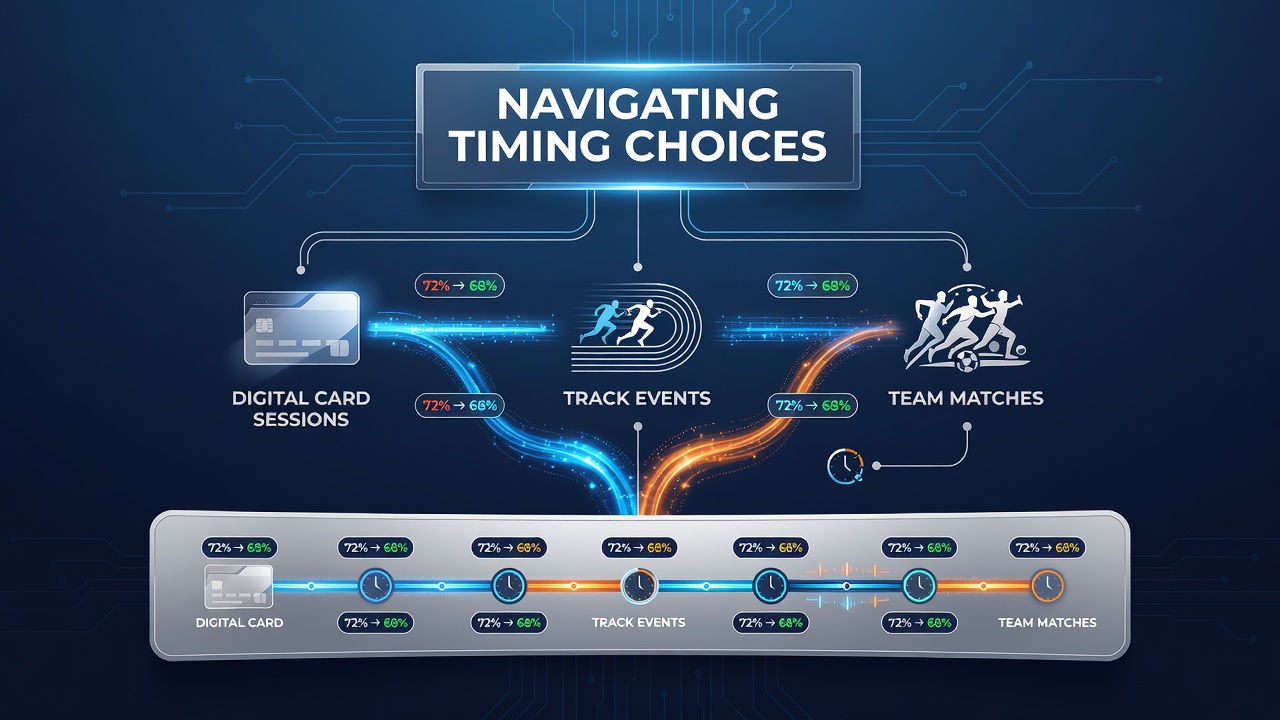
Platforms that merge digital card sessions with track events and team matches now deliver synchronized probability feeds that shift in real time, and users must coordinate session starts, pauses, and switches to align with those updates. Data from integrated systems shows that probability values for card outcomes, race finishes, and match results refresh at intervals ranging from seconds to minutes, which creates overlapping decision windows across the three activity types.
Platform Integration and Feed Synchronization
Merged platforms combine separate data streams from card game servers, racing totalizators, and sports leagues into single interfaces, while algorithms reconcile timestamps to prevent discrepancies. Research indicates that synchronization protocols reduce latency to under two seconds in most deployments, although peak loads during major fixtures can extend that window. Observers note that users who monitor multiple feeds simultaneously often adjust their activity sequences based on the latest probability deltas rather than fixed schedules.
Timing Patterns Across Activity Types
Digital card sessions typically run on continuous cycles where probability updates arrive after each hand or round, whereas track events follow discrete race schedules with pre-start odds movements and post-result recalculations. Team matches generate probability shifts tied to scoring plays, substitutions, and clock time, which produces irregular update bursts. Studies of platform logs reveal that participants frequently initiate card sessions during lulls in track or match feeds, then pause those sessions when a race or match probability changes exceed a threshold. This sequencing allows users to maintain engagement without missing critical updates in any single stream.
Card Session Coordination
Card enthusiasts on merged platforms often select entry points that coincide with stable probability periods in concurrent track or team events. Platform telemetry from September 2026 deployments shows average session lengths of twelve minutes when users interleave card play with race intervals, compared with eight-minute sessions when team match feeds dominate. Those patterns emerge because card probability feeds update more predictably than event-driven sports data.
Track Event Scheduling Considerations
Track events impose rigid start times that force users to pre-align card sessions or match viewing around race windows. Real-time feeds for track probabilities accelerate in the final minutes before post time, prompting rapid switches away from ongoing card tables. Figures from industry reports indicate that 62 percent of multi-activity sessions include at least one track event, and timing adjustments cluster around those final two minutes of pre-race updates.
Team Match Integration Dynamics
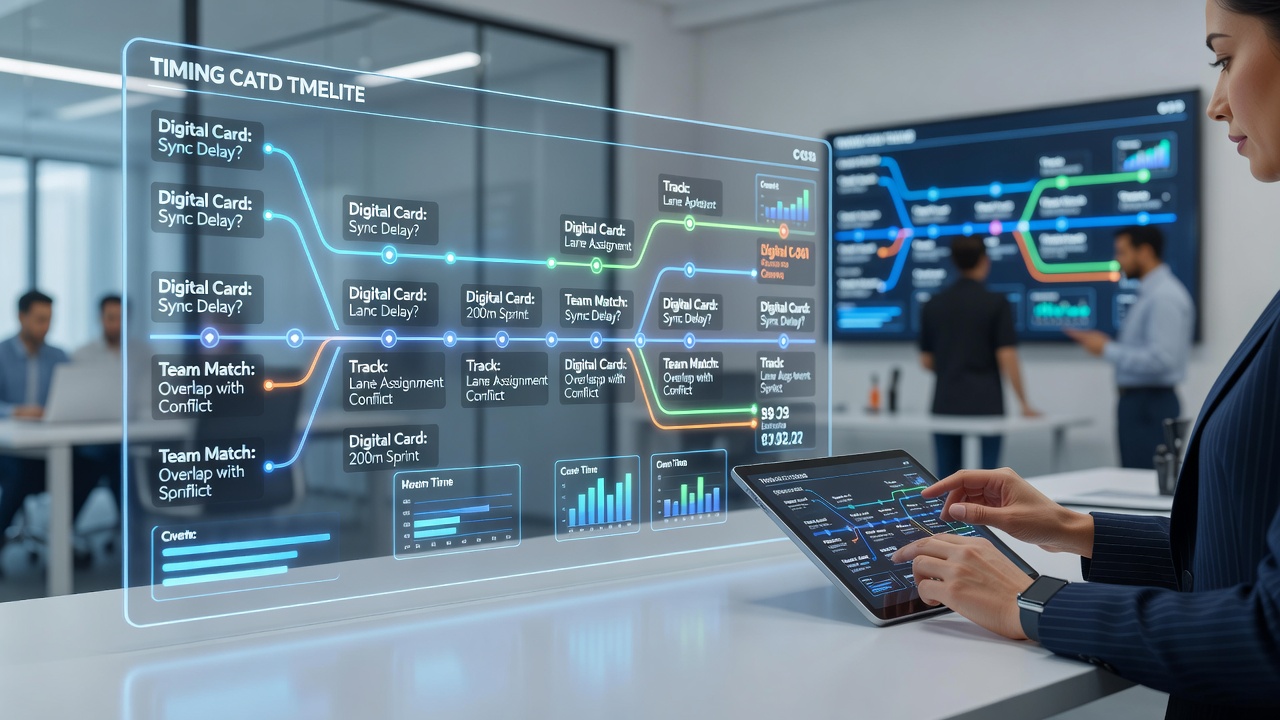
Team matches generate probability revisions at irregular intervals tied to gameplay milestones, which requires users to monitor feed velocity alongside card and track commitments. Data compiled by the Ontario Lottery and Gaming Corporation demonstrates that merged-platform sessions incorporating team matches exhibit 34 percent more mid-session switches than sessions limited to card and track combinations. Users therefore reserve buffer periods after scoring events to reassess probability landscapes before committing to the next card round or race entry.
Cross-Activity Decision Windows
Decision windows narrow when all three feeds update within a sixty-second span, a scenario documented in 18 percent of September 2026 platform records. Participants respond by prioritizing the activity whose probability shift carries the largest magnitude, then resuming secondary sessions once the dominant feed stabilizes. This hierarchy-based approach appears consistently across logs from North American and European operators.
Observed User Behaviors in Multi-Feed Environments
Platform analytics reveal that users maintain separate timers or alerts for each activity type to track upcoming probability refresh cycles. One documented case involved participants who queued card session entries immediately after track results posted, thereby capitalizing on reset probability baselines. Another pattern shows users exiting team match streams during halftime probability recalibrations to complete pending card hands. Such behaviors reduce exposure to simultaneous high-volatility updates.
Technical Factors Influencing Timing Choices
Network latency, feed priority algorithms, and device notification settings all affect how quickly users receive and act upon probability changes. Research from the University of Nevada, Las Vegas gaming technology program found that devices with push-notification latency under 500 milliseconds correlate with higher rates of successful timing adjustments across merged platforms. Conversely, users on higher-latency connections exhibit clustered activity during periods of feed stability.
Conclusion
Timing choices on merged platforms ultimately hinge on the relative velocity and magnitude of probability updates across digital card sessions, track events, and team matches. Platform data collected through September 2026 demonstrates consistent sequencing strategies that accommodate these variables without requiring manual intervention at every refresh. As synchronization standards evolve, the intervals available for coordinated activity management continue to compress, yet the underlying patterns of feed-driven sequencing remain observable across user cohorts.