How Equine Data Streams Reshape Deposit Timing Among Poker Participants During Football Overlaps on Merged Sites
Hugo Klein · Oct 23, 2026
How Equine Data Streams Reshape Deposit Timing Among Poker Participants During Football Overlaps on Merged Sites
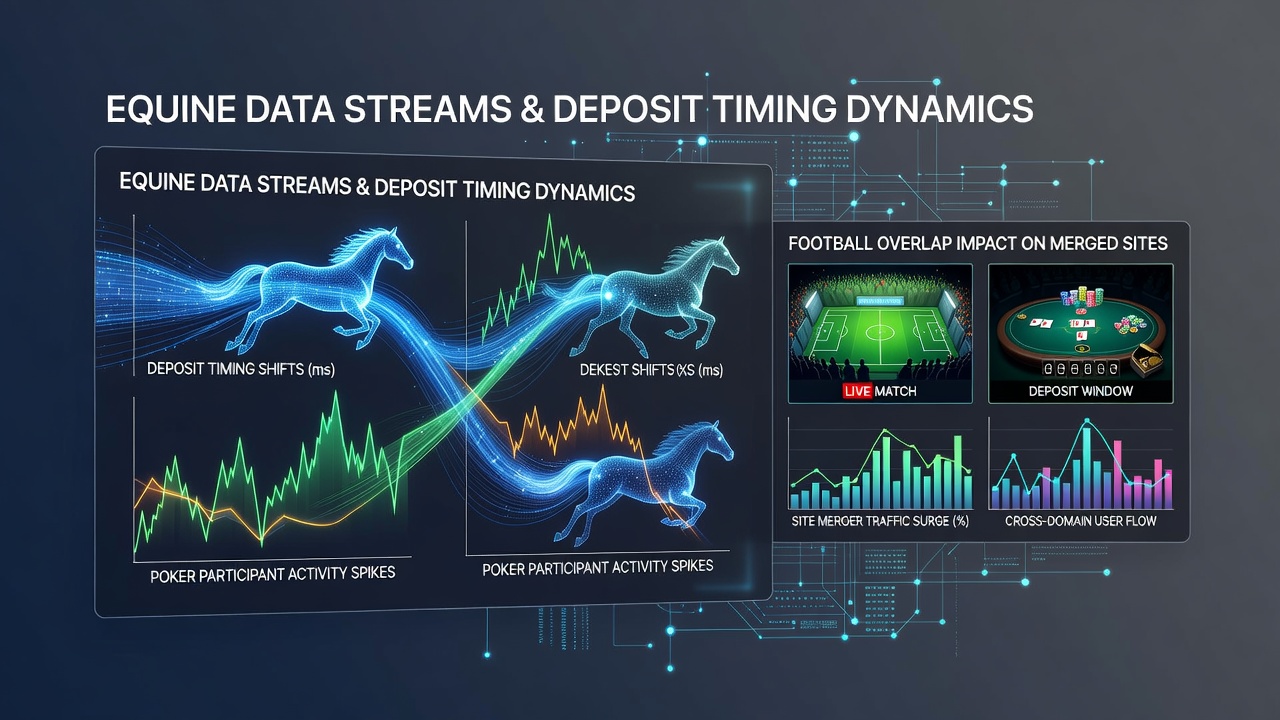
Integrated betting platforms that combine poker rooms with football and horse racing markets have shown measurable shifts in deposit activity, and equine data streams play a central role in those adjustments. Real-time feeds from track events deliver updated odds, pace figures, and injury reports that reach users while football matches run concurrently, and participants often respond by moving funds into poker accounts at specific intervals rather than at random moments. Observers note that these timing changes appear most consistently when multiple horse races overlap with high-stakes football fixtures, creating brief windows where liquidity decisions cluster around incoming equine updates.
Platform Integration and Data Flow Mechanics
Merged sites route equine information through the same dashboards that display poker tables and football betting markets, so users receive simultaneous alerts without switching applications. Data providers push updates every thirty to ninety seconds during live races, and these notifications frequently coincide with football halftime or injury breaks. Transaction logs from such platforms indicate that deposit spikes occur within two to four minutes after major equine announcements rather than during steady state periods. Researchers tracking these patterns across North American and European operators have recorded similar clustering behavior during October 2026 schedules, when the European football calendar intersected with major North American thoroughbred meetings.
Observed Deposit Timing Patterns
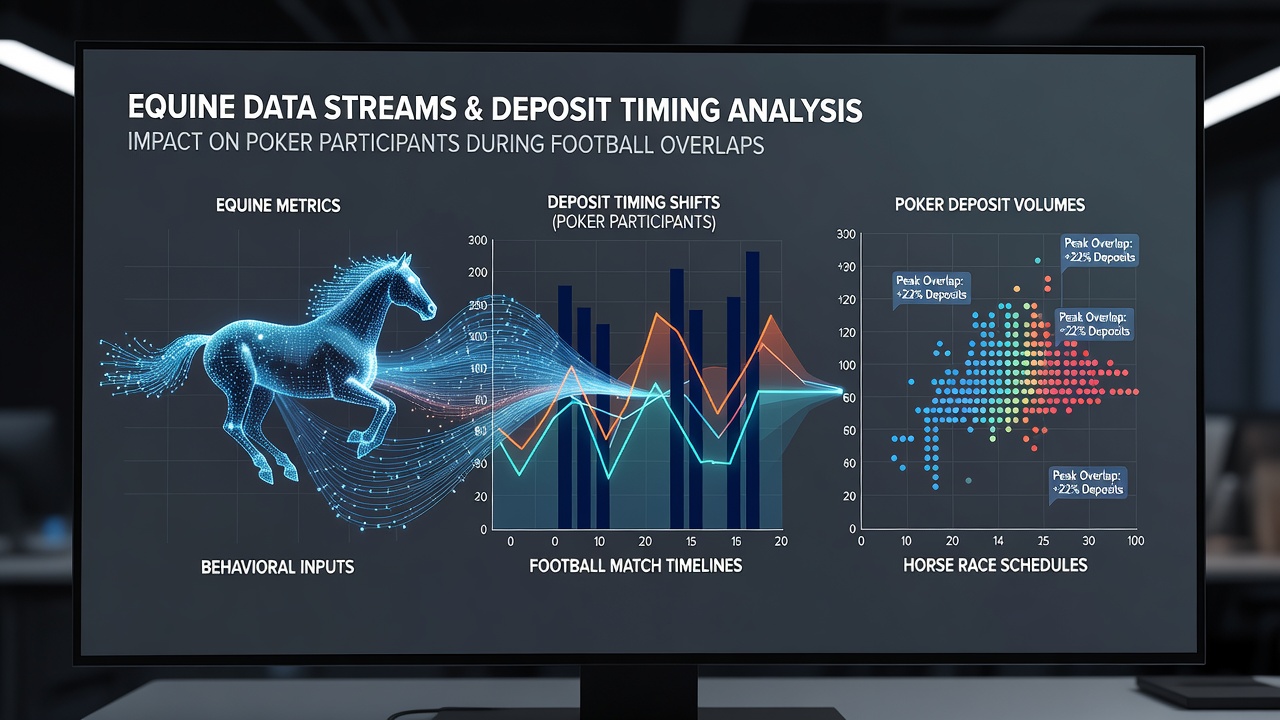
Analysts examining aggregated transaction data find that poker participants on merged sites tend to deposit ahead of anticipated equine updates when football matches run in parallel. Instead of waiting for full-time results, many users initiate transfers once early race results or pace charts appear, because those figures often influence overall session bankroll planning. Payment processors report elevated activity in the minutes immediately following equine data releases, while football remains in progress, and this sequence repeats across multiple overlapping events. Studies from academic centers focused on gambling behavior document comparable timing compression during autumn months when both sports calendars intensify.
Those who monitor wallet flows note that smaller, incremental deposits replace larger single transfers when equine streams update rapidly. Users appear to calibrate amounts based on the latest horse performance metrics before committing to poker hands, especially in tournaments that stretch across several hours. The pattern holds across different operator regions, though the exact minute offsets vary slightly according to local payment rail speeds.
Regional Regulatory Context and Reporting Requirements
Operators licensed in multiple jurisdictions must log transaction timestamps against market data events for compliance audits. In jurisdictions such as Pennsylvania and Ontario, regulators require detailed records that link deposit moments to concurrent sporting updates, and these records reveal consistent equine-driven timing shifts. Similar reporting frameworks in Australian oversight bodies capture the same correlations, allowing cross-regional comparisons of user behavior during football and horse racing overlaps. The data collected under these rules shows that deposit clustering intensifies when equine feeds accelerate during live football windows, yet remains within established responsible gaming thresholds.
Payment Method Interactions
E-wallet and instant bank transfer options on merged platforms accommodate the compressed timing windows created by equine streams. Users who rely on these methods complete deposits faster after receiving race updates, whereas card-based transfers sometimes lag and shift activity into later intervals. Industry reports from the European Gaming and Betting Association highlight how real-time processing features align with the rhythm of simultaneous football and equine events, reducing friction for participants who adjust funding based on incoming data.
One documented case involved a platform serving both North American and European users during a weekend in October 2026, when several Premier League matches ran alongside Breeders' Cup undercard races. Deposit logs showed repeated surges within three minutes of equine result flashes, even as football odds continued to fluctuate. Researchers tracking these events noted that poker table occupancy remained stable while funding patterns realigned around the equine information cycle.
Conclusion
Equine data streams on merged platforms create predictable deposit timing adjustments among poker participants when football overlaps occur. Transaction records, regulatory filings, and academic analyses consistently demonstrate that users respond to live horse racing updates by shifting funding activity into narrow intervals that align with those feeds. The resulting patterns appear across different regions and payment methods, reflecting the structural integration of multiple betting verticals rather than isolated user preferences. As operators continue to combine data sources, these timing dynamics remain a measurable feature of platform activity during concurrent football and equine schedules.